



Inventory
1
Inventory
Valuation
Decision
Making
using
inventory
Ratios
VALUATION OF ENDING INVENTORY
Lower of Cost or Market
2
• Historical cost
• Current replacement cost (market value)
Inventory is
adjusted to be the
lesser of:
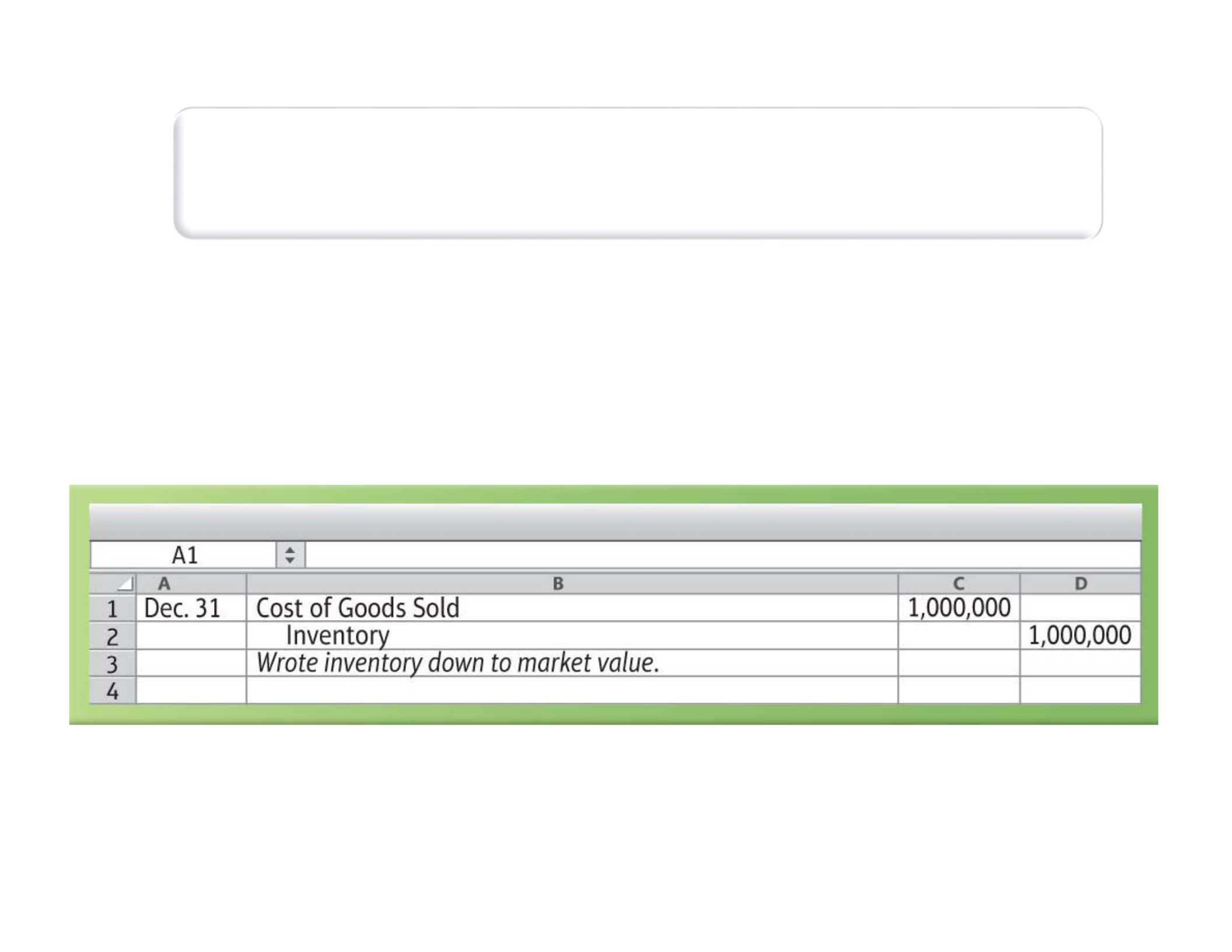
• Record a loss and reduce inventory
If market value is
less than cost:
• No entry needed
If cost is less than
market:
Application of conservatism principle
3
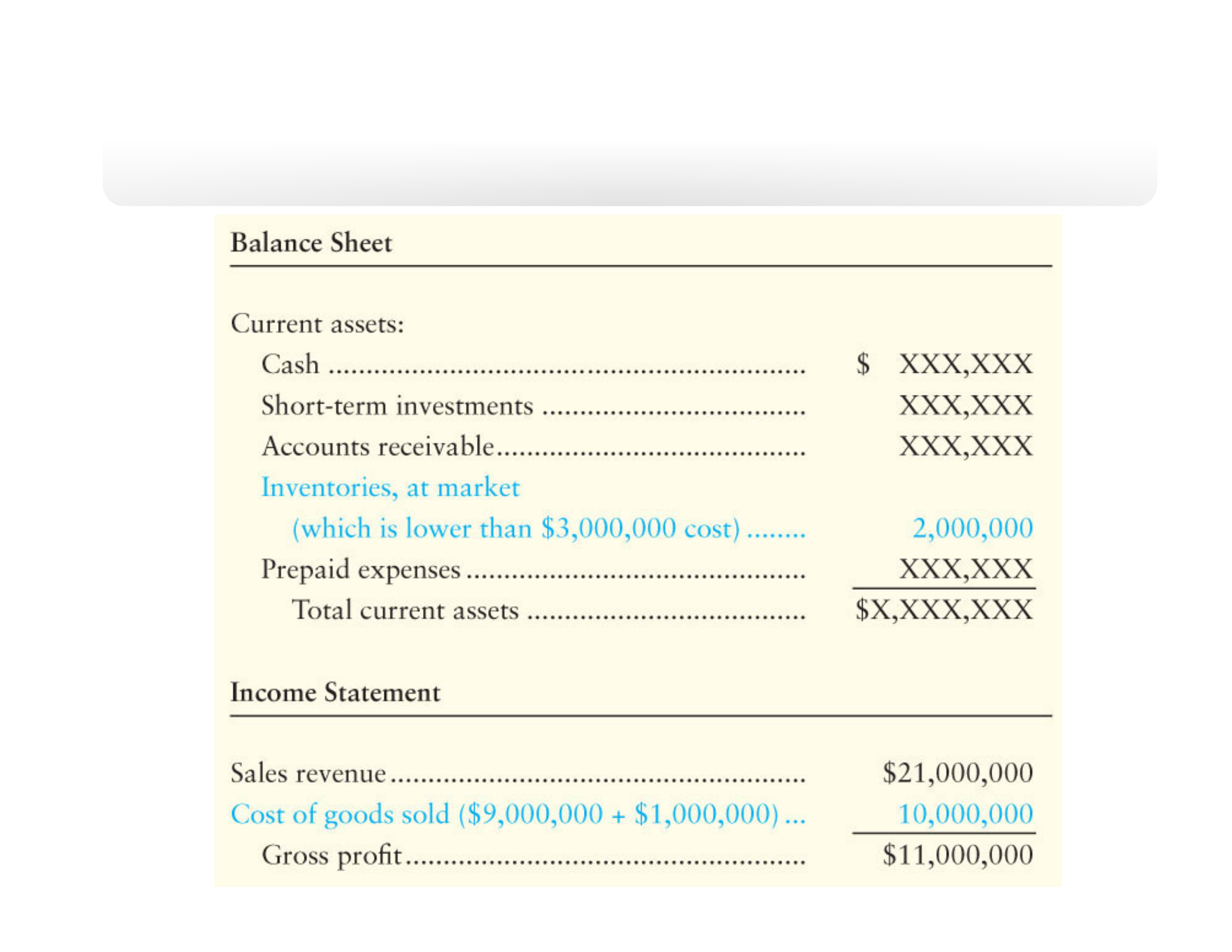
Lower-of-Cost-or-Market Rule. Under Armour, Inc., paid
$3,000,000 for inventory. By its year-end, the inventory can
be replaced for $2,000,000. Under Armour’s year-end
balance sheet must report this inventory at the LCM value of
$2,000,000.
VALUATION OF ENDING INVENTORY
Lower of Cost or Market - Example
Lower-of-Cost-or-Market
(LCM)
Effects
on
Inventory
and
Cost
of
Goods
Sold
Balance
Sheet
Current
assets:
sy
eases
eeu
eee
cee
ame,
S
XXX
XXX
Short-terM
INVEStMENIS
..........ccccececceeeeceesereceess
AANXANA
Accounts
recelvable.......cccccceccecececsececeeseeseeeneees
XXX,
NAN
Inventories,
at
market
(which
is
lower
than
$3,000,000
cost)
........
2,000,000
Prepaid
OX
PCiSeS
ciiinscninnncmnnnnnnnnneNs
AXAXA,XAXA
Tetal
Cutrent
asses
cw
ese,
SXXN
XX
NN
Income
Statement
BN
ous
secoarecemeemrserracen
rec
EE
EEN
$21,000,000
Cost
of
goods
sold
($9,000,000
+
$1,000,000)
...
10,000,000
GCS
DIOT
Prev
esevecewsve
ce
rece
venerevosur
secs
ones
$11,000,000
4
Lower-of-Cost-or-Market (LCM) Effects on Inventory and
Cost of Goods Sold
4
Presentation of Inventory on Balance Sheet
5
Reported as Current Asset
Third in order of liquidity after Cash and Accounts
Receivable
Reported at Lower of Cost or Market value
Method of inventory costing should be noted in the
footnotes accompanying the financial statements
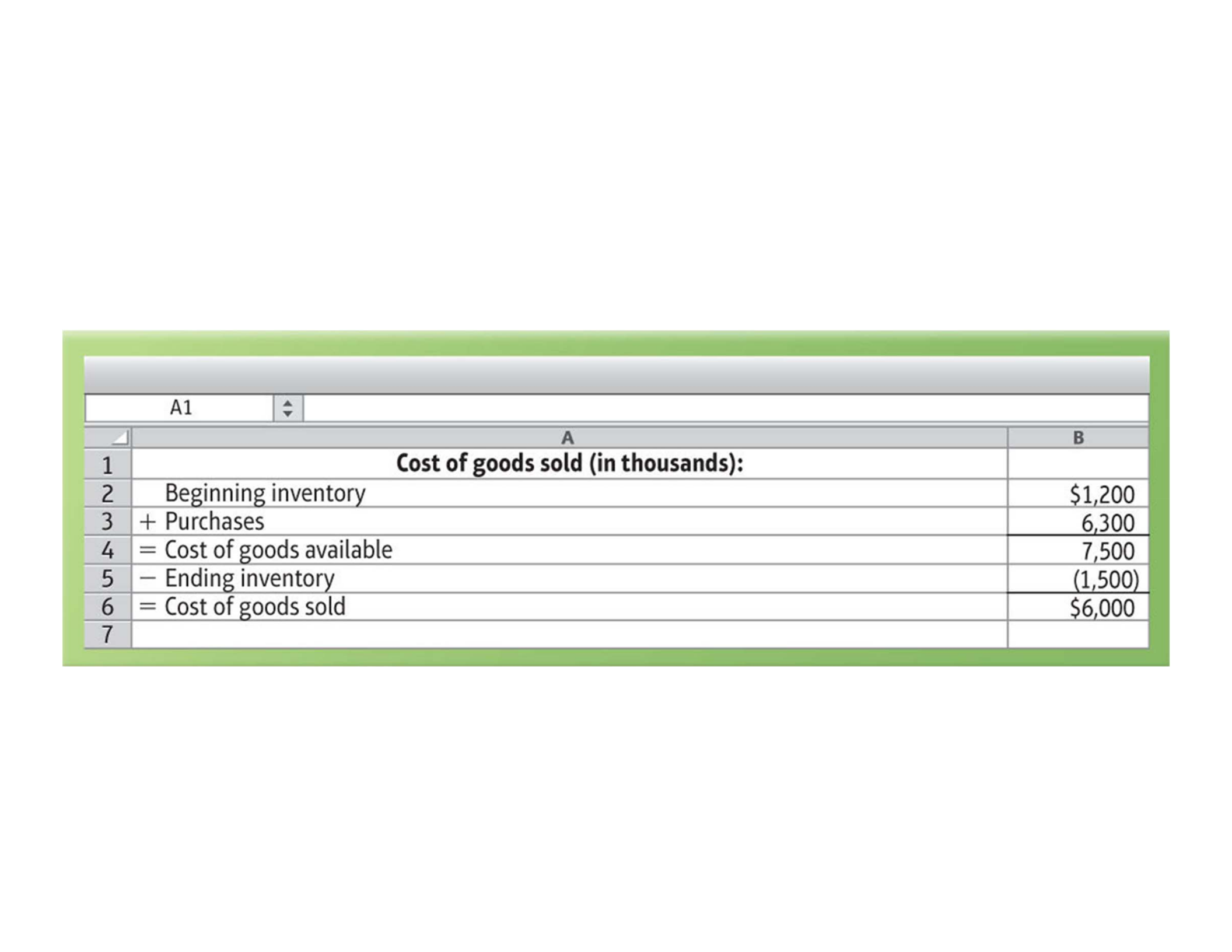
Decision Making using Inventory
6
The Cost-of-Goods-Sold Model
7
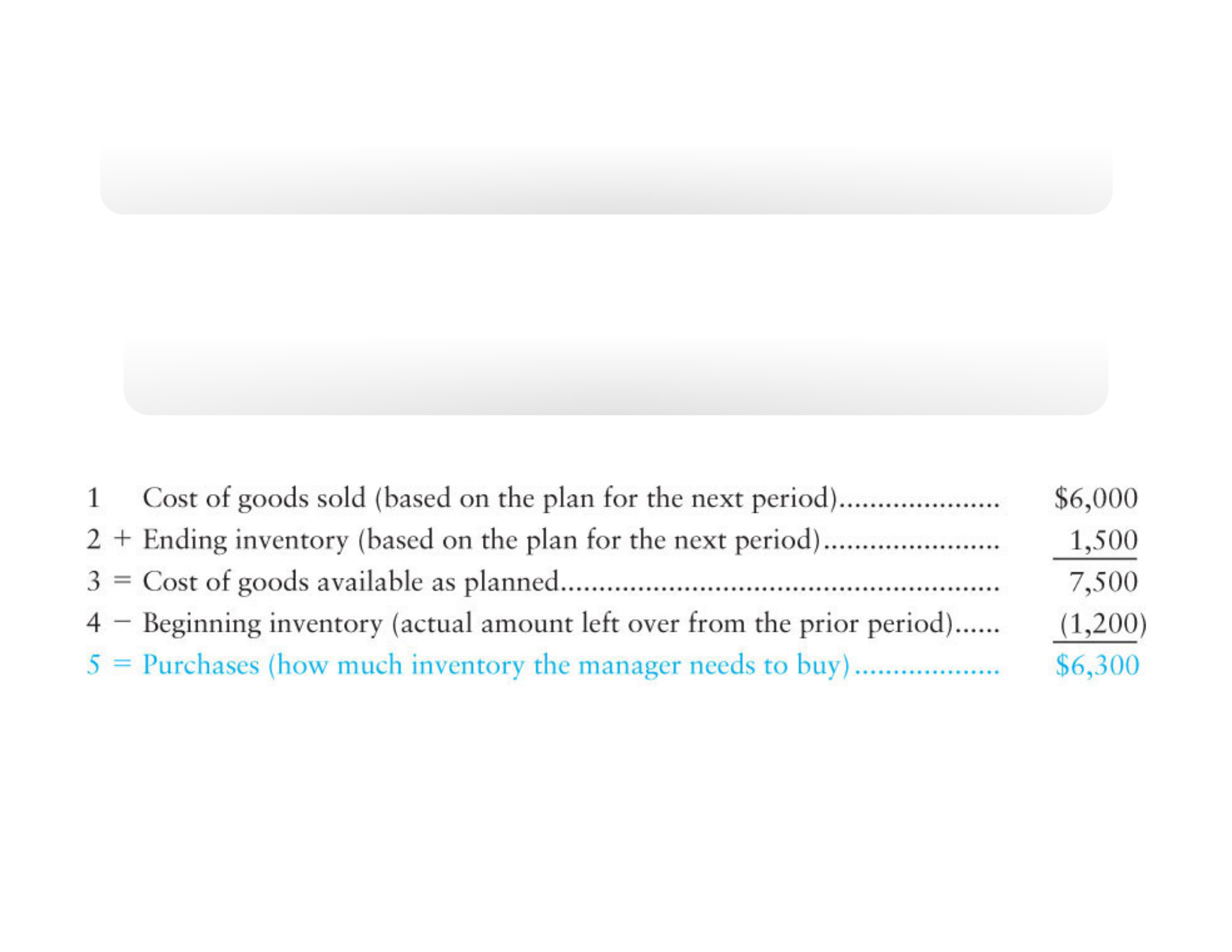
Computing Budgeted Purchases
Rearrange the COGS model to help
managers know how much inventory to buy:

8
Estimating Inventory by the Gross Profit Method
Gross
Profit
Method
Also known as gross margin
method
Often necessary to
estimate the value of goods
Widely used to estimate
ending inventory
Rearrange COGS model
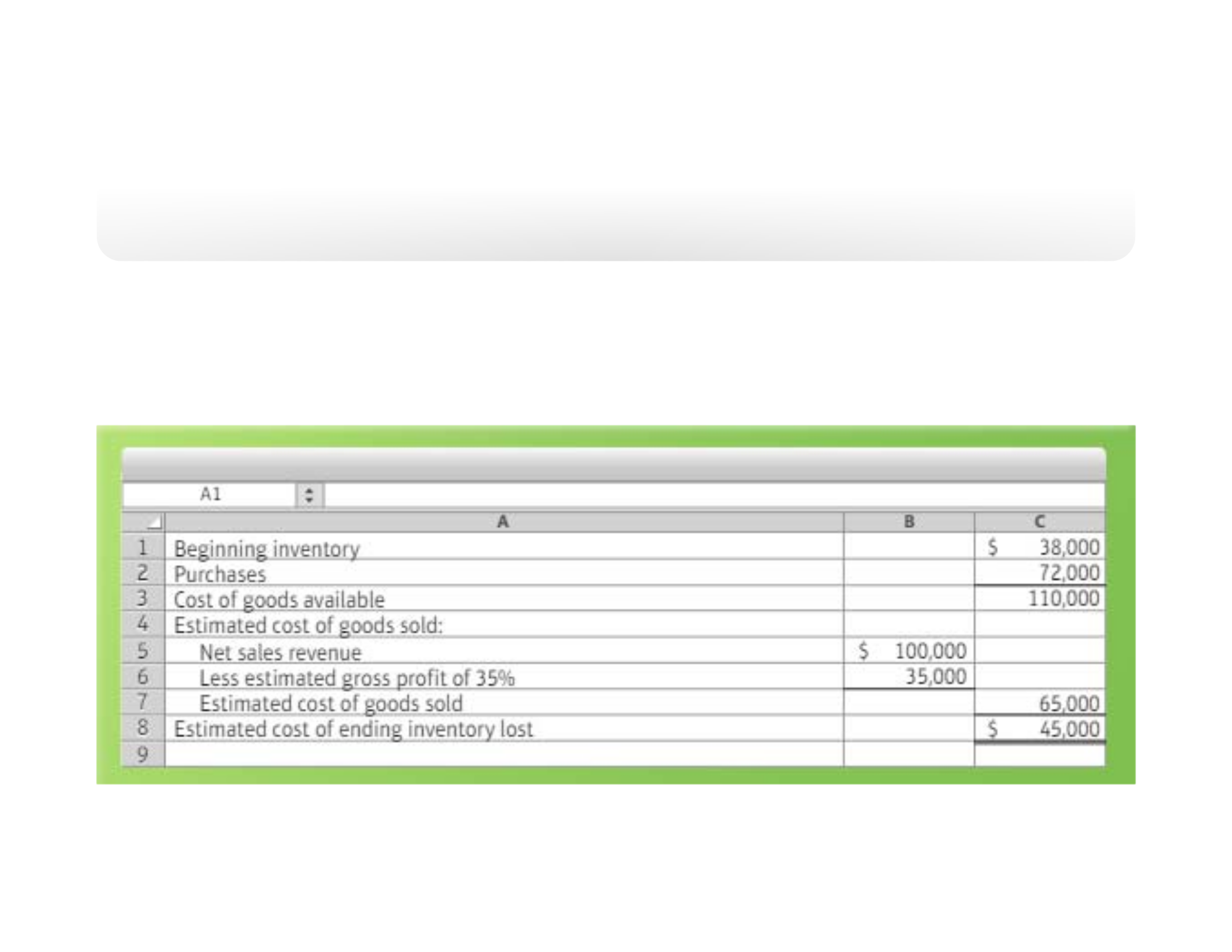
Gross Profit Method of Estimating Inventory -
example
9
Suppose a fire destroys some of Under Armour’s inventory. Using the
gross profit percentage of 35%, you can estimate COGS and ending
inventory as shown below:
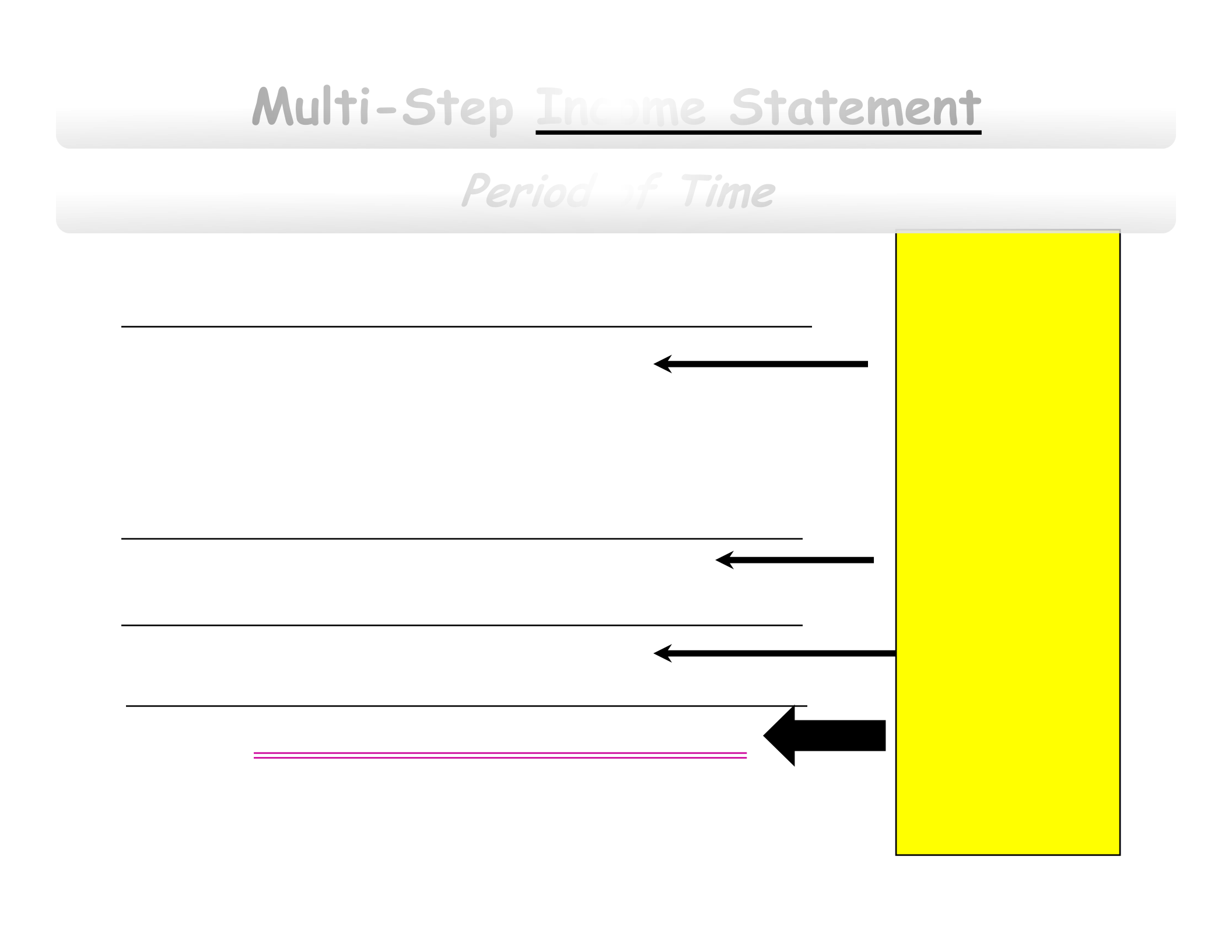
Operating revenues
Cost of Goods Sold (COGS)
Gross Profit/Margin
Operating expenses:
– General and
administrative expenses
– Selling expenses
= Operating Profit/Income
+/– Other revenues and expenses
= Income before taxes
–Income tax expense
= Net income/earnings/profit
THREE
important
subtotals
+
Net Income
Total
Multi-Step Income StatementMulti-Step Income Statement
Period of TimePeriod of Time
Profitability Ratios
11
• Gross Profit / Net Sales
• Measure of profitability as compared to
cost of goods sold.
Gross Profit Ratio
• Net Profit / Net Sales
• Measure of profitability after considering
all expenses.
Net Profit Ratio

Inventory Ratios
12
Inventory
Turnover
Cost of Goods
Sold/Average
Inventory
Represents how
many times
inventory is
converted to sales.
Days inventory
outstanding
365/Inventory
turnover
Represents how
quickly items are
being sold.
Inventory Ratios - Example
13
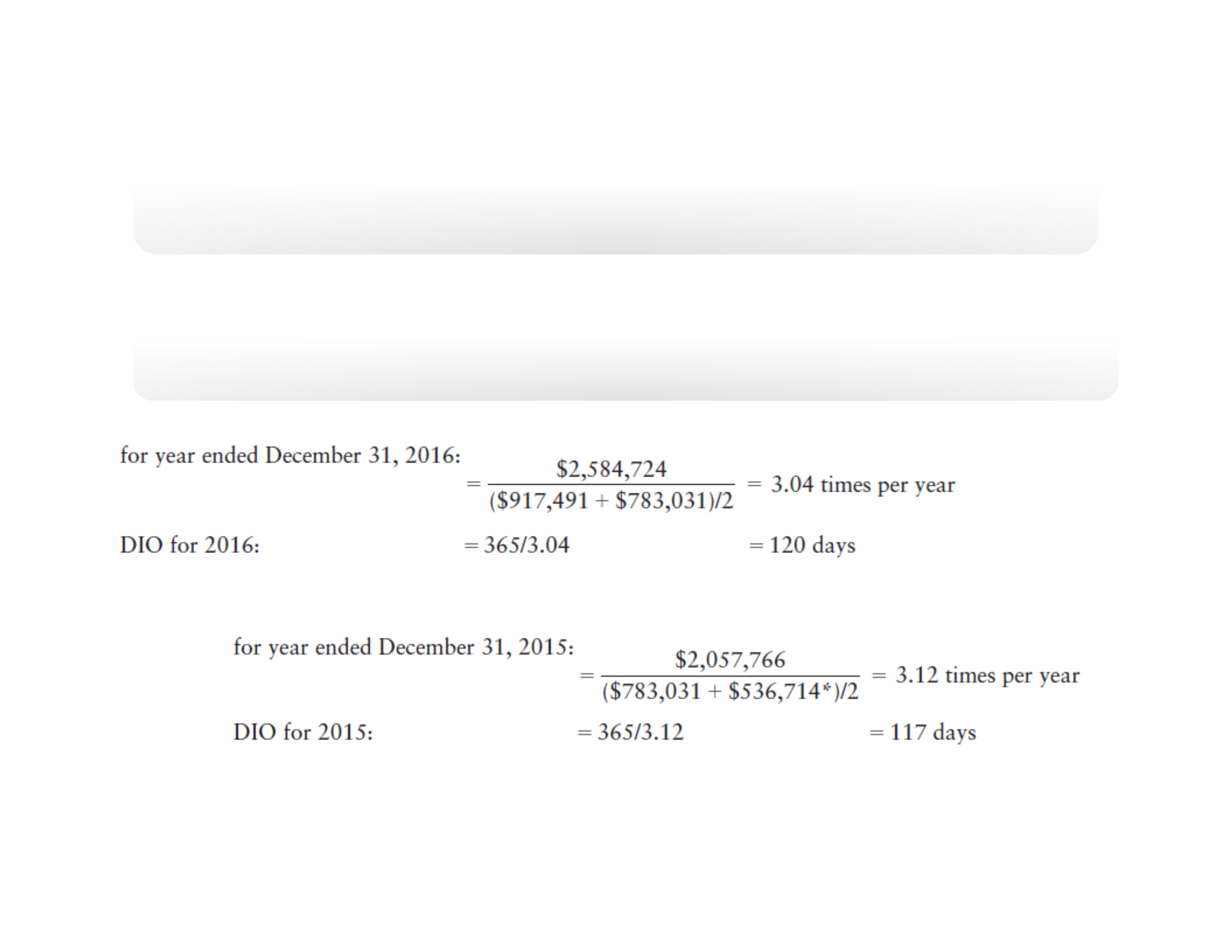
The comparative inventory turnover statistics for 2016 and 2015 for Under
Armour, Inc. (in thousands) from the Consolidated Balance Sheets and
Statements of Income
14
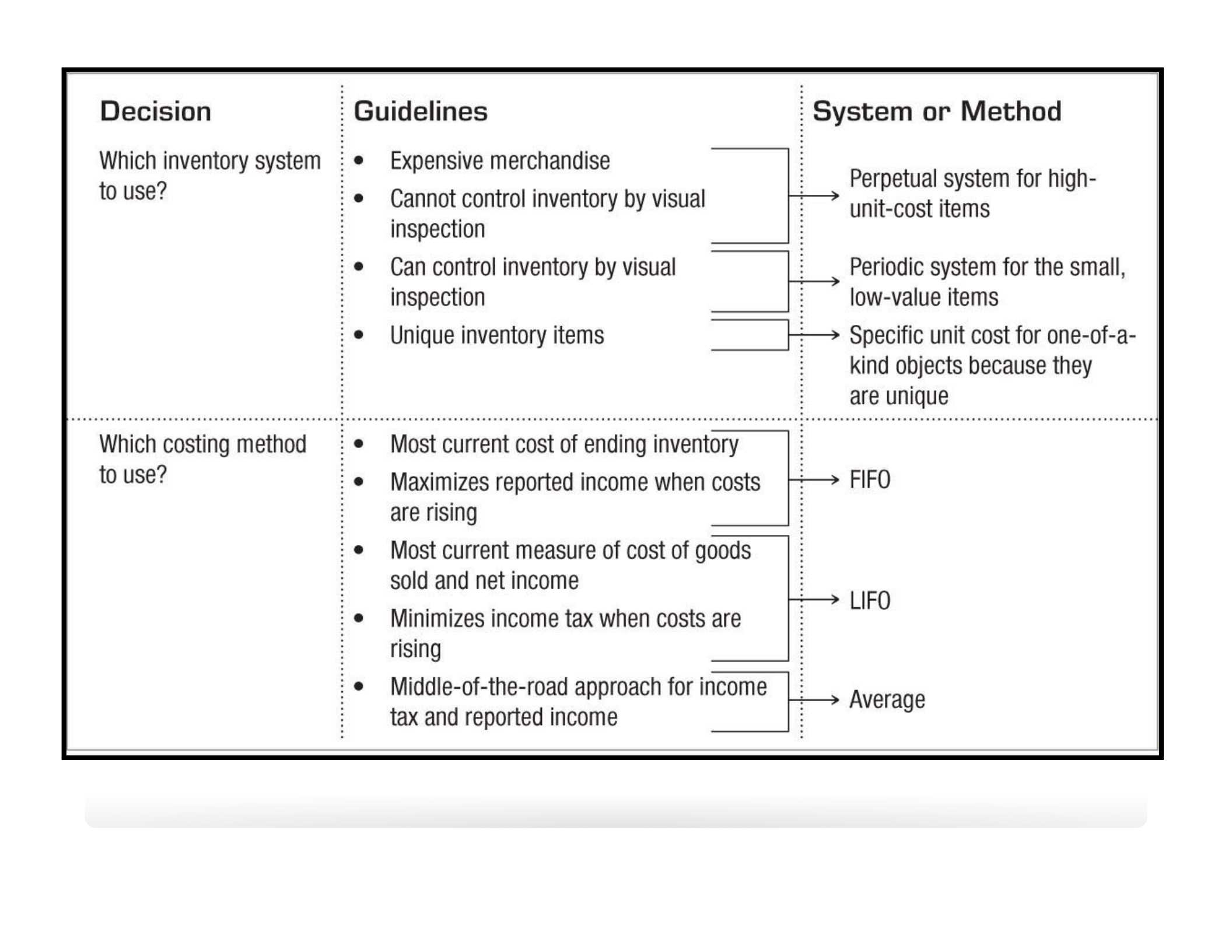
Decision Guidelines: Accounting for Inventory

