


Quiz: Research Designs, Within Subjects, Between
Subjects
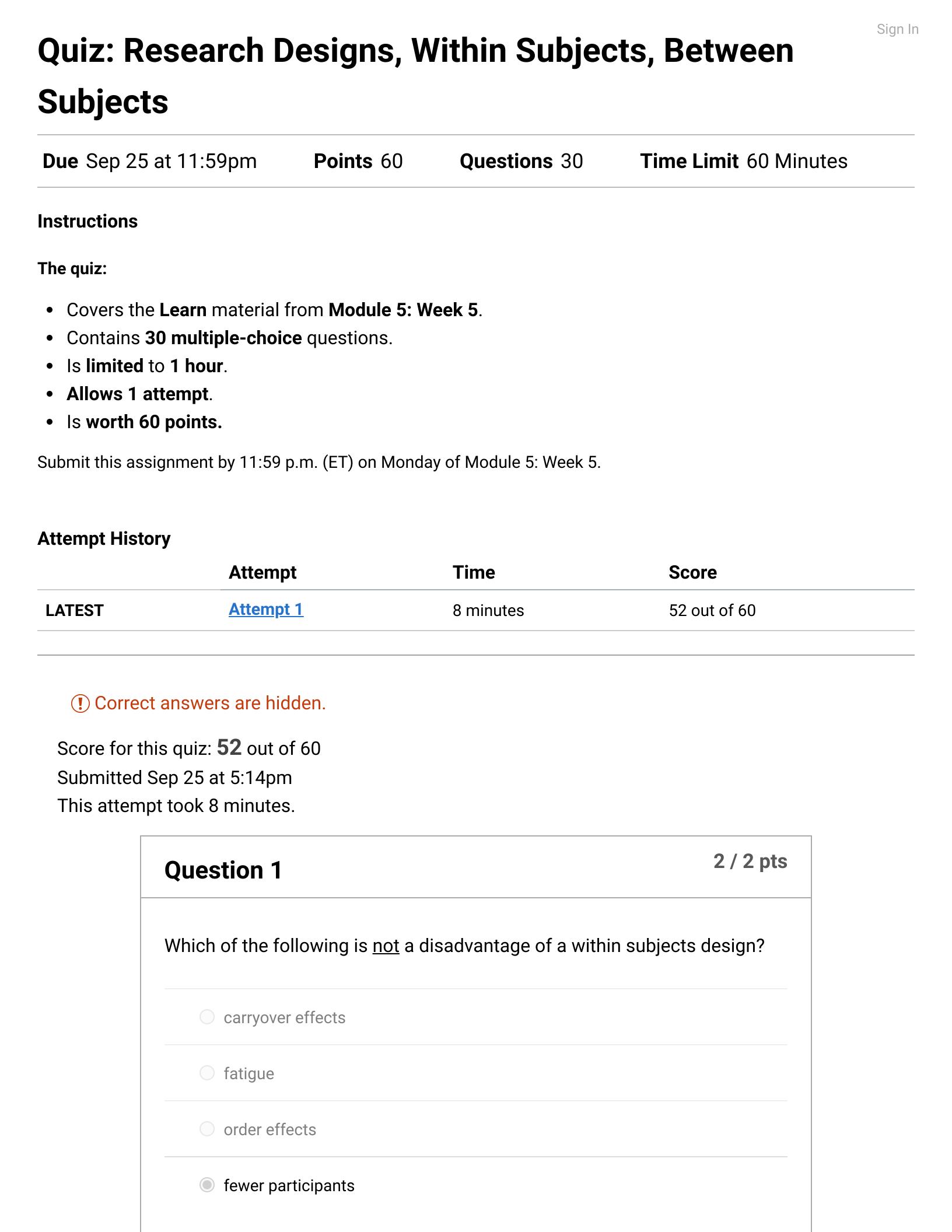
Due Sep 25 at 11:59pm Points 60 Questions 30 Time Limit 60 Minutes
Instructions
Attempt History
Attempt Time Score
LATEST Attempt 1 8 minutes 52 out of 60
Correct answers are hidden.
Score for this quiz: 52 out of 60
Submitted Sep 25 at 5:14pm
This attempt took 8 minutes.
The quiz:
Covers theLearnmaterial fromModule 5: Week 5.
Contains30 multiple-choicequestions.
Islimitedto1hour.
Allows1 attempt.
Isworth 60 points.
Submit this assignment by 11:59 p.m. (ET) on Monday of Module 5: Week 5.
2 / 2 pts
Question 1
Which of the following is not a disadvantage of a within subjects design?
carryover effects
fatigue
order effects
fewer participants
Sign In
2 / 2 pts
Question 2
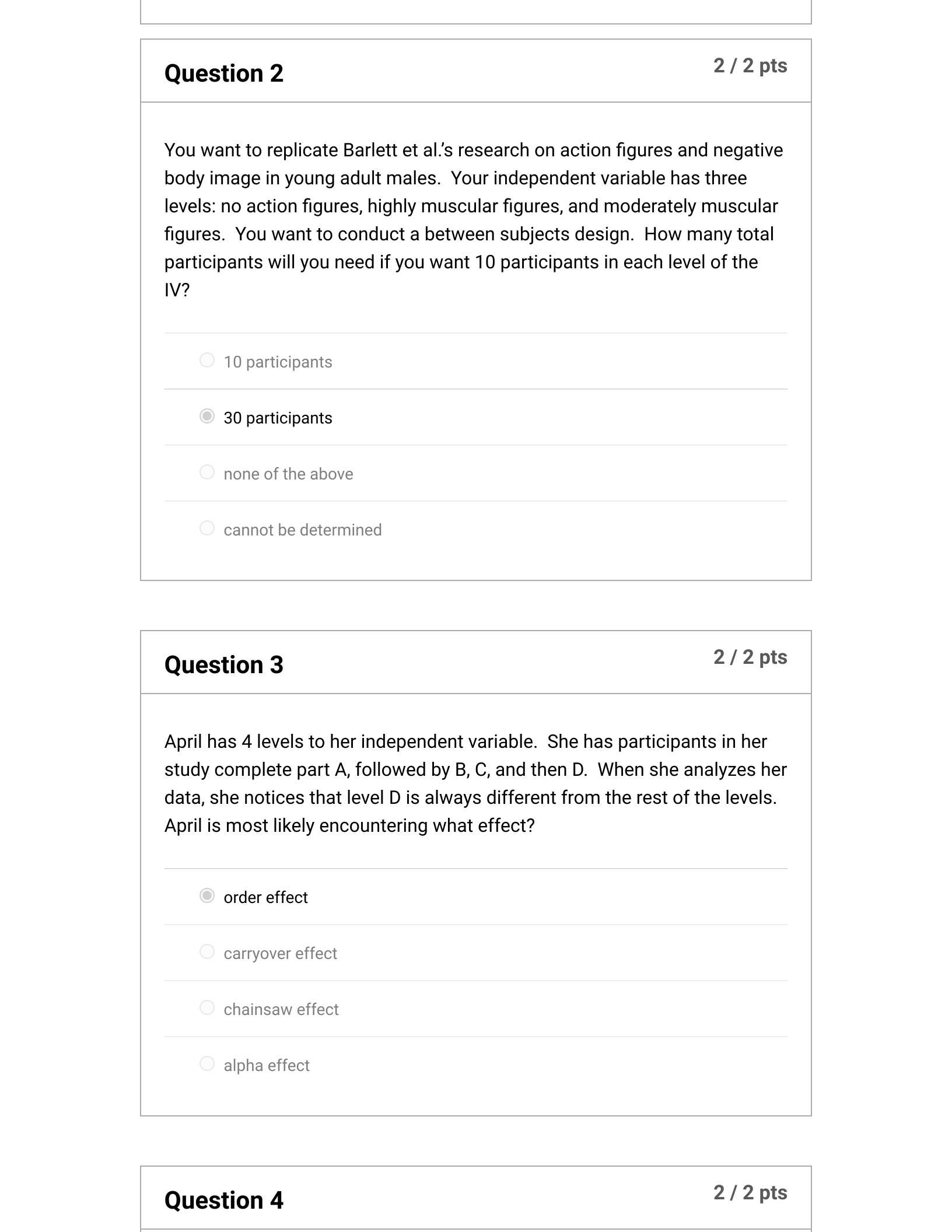
You want to replicate Barlett et al.’s research on action gures and negative
body image in young adult males. Your independent variable has three
levels: no action gures, highly muscular gures, and moderately muscular
gures. You want to conduct a between subjects design. How many total
participants will you need if you want 10 participants in each level of the
IV?
10 participants
30 participants
none of the above
cannot be determined
2 / 2 pts
Question 3
April has 4 levels to her independent variable. She has participants in her
study complete part A, followed by B, C, and then D. When she analyzes her
data, she notices that level D is always different from the rest of the levels.
April is most likely encountering what effect?
order effect
carryover effect
chainsaw effect
alpha effect
2 / 2 pts
Question 4
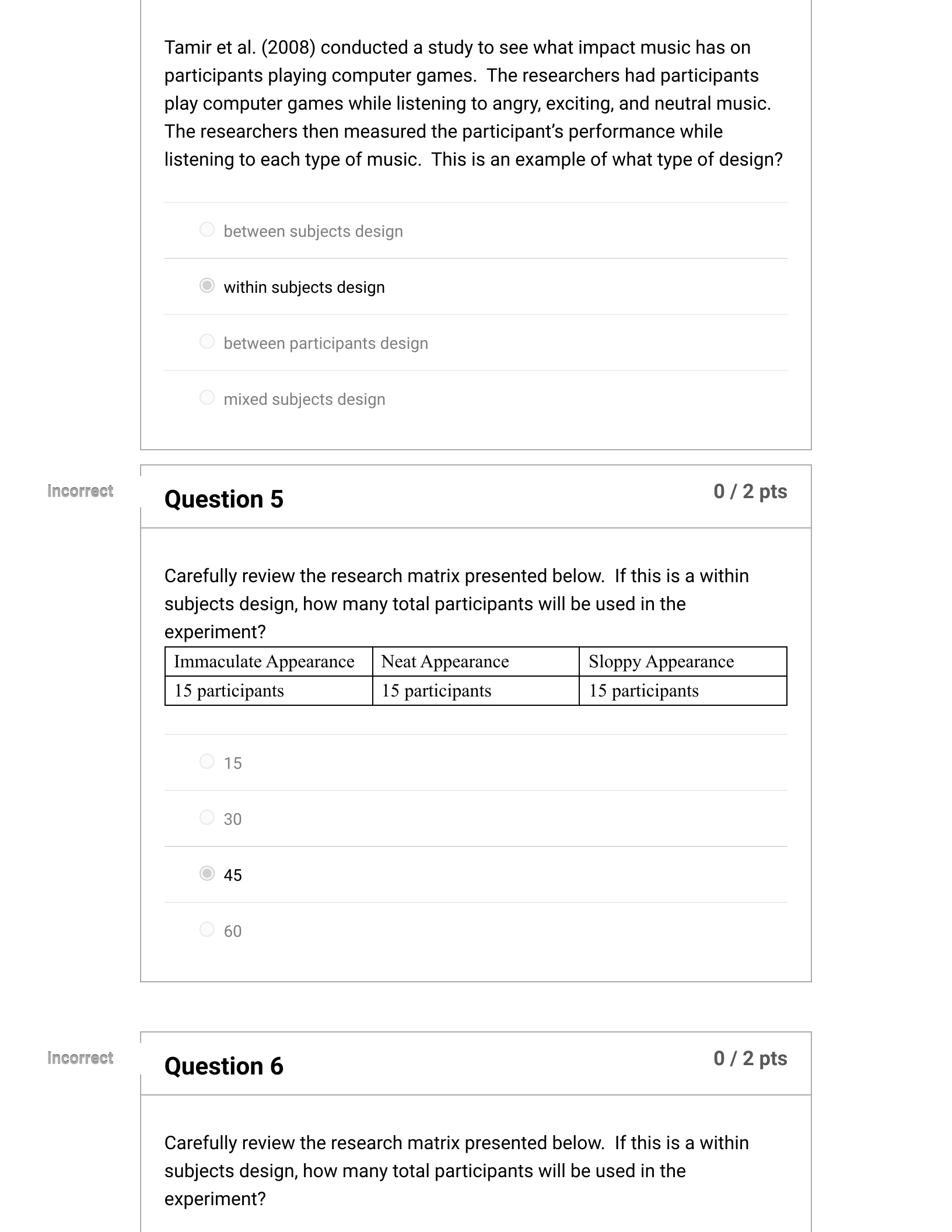
Tamir et al. (2008) conducted a study to see what impact music has on
participants playing computer games. The researchers had participants
play computer games while listening to angry, exciting, and neutral music.
The researchers then measured the participant’s performance while
listening to each type of music. This is an example of what type of design?
between subjects design
within subjects design
between participants design
mixed subjects design
0 / 2 pts
Question 5
Incorrect
Incorrect
Carefully review the research matrix presented below. If this is a within
subjects design, how many total participants will be used in the
experiment?
Immaculate Appearance Neat Appearance Sloppy Appearance
15 participants 15 participants 15 participants
15
30
45
60
0 / 2 pts
Question 6
Incorrect
Incorrect
Carefully review the research matrix presented below. If this is a within
subjects design, how many total participants will be used in the
experiment?
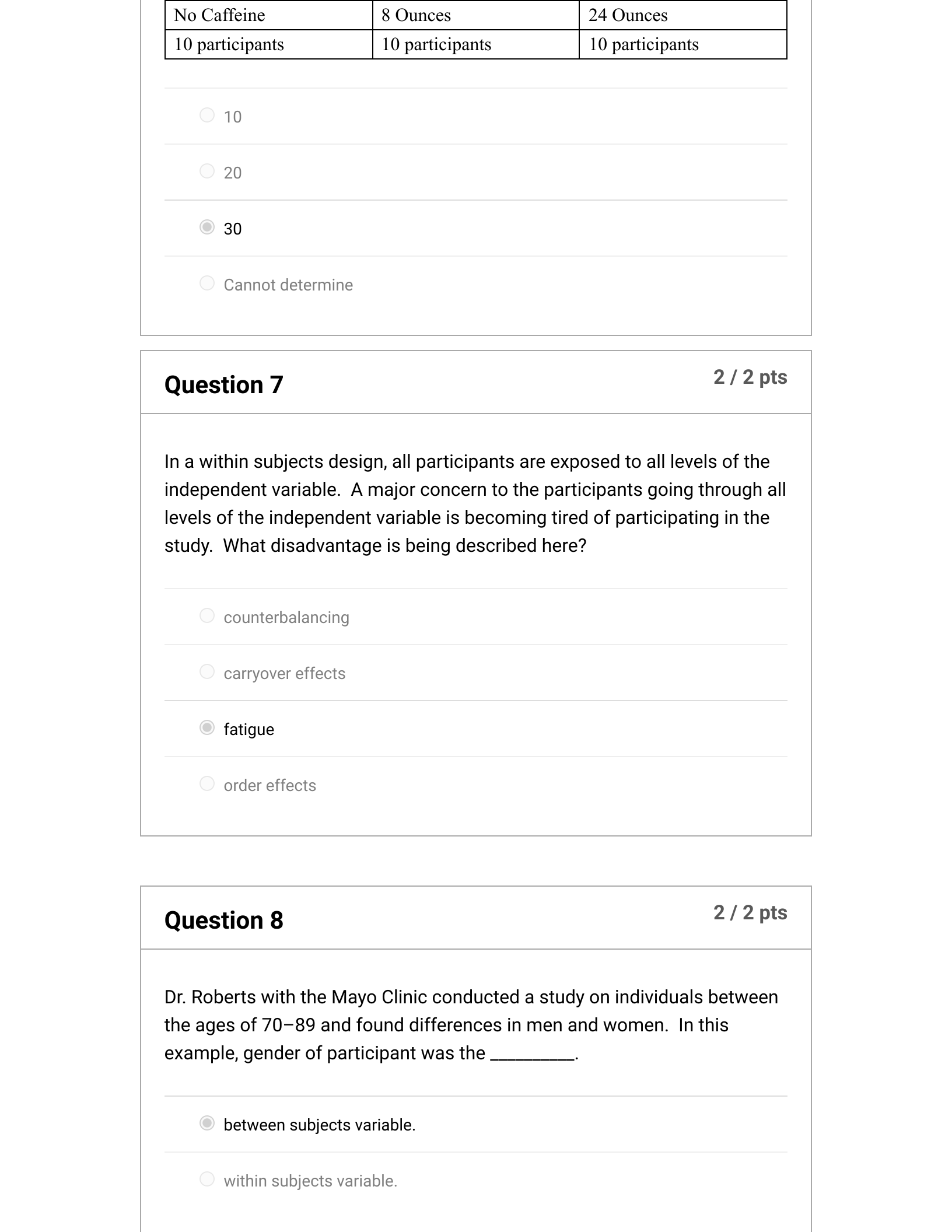
No Caffeine 8 Ounces 24 Ounces
10 participants 10 participants 10 participants
10
20
30
Cannot determine
2 / 2 pts
Question 7
In a within subjects design, all participants are exposed to all levels of the
independent variable. A major concern to the participants going through all
levels of the independent variable is becoming tired of participating in the
study. What disadvantage is being described here?
counterbalancing
carryover effects
fatigue
order effects
2 / 2 pts
Question 8
Dr. Roberts with the Mayo Clinic conducted a study on individuals between
the ages of 70–89 and found differences in men and women. In this
example, gender of participant was the __________.
between subjects variable.
within subjects variable.
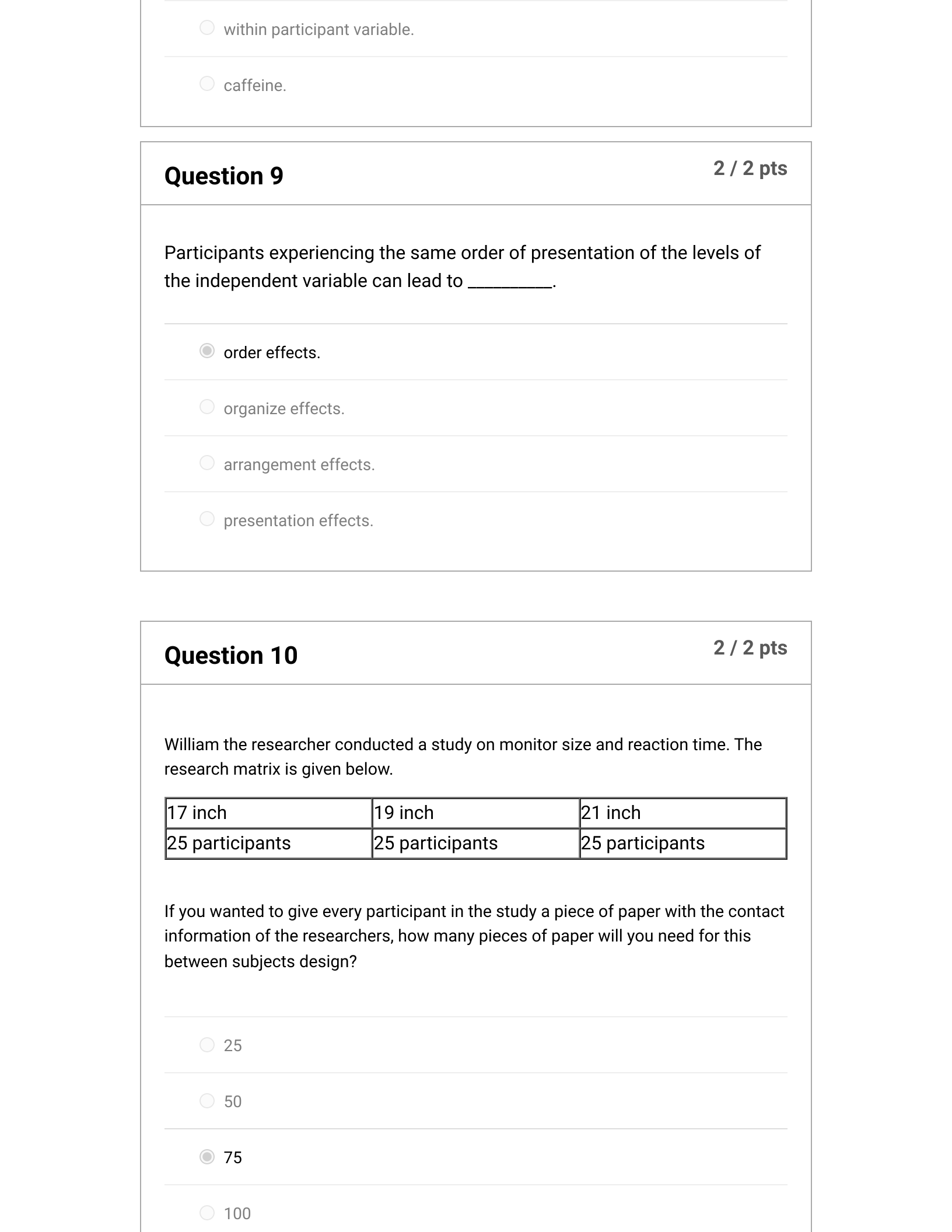
within participant variable.
caffeine.
2 / 2 pts
Question 9
Participants experiencing the same order of presentation of the levels of
the independent variable can lead to __________.
order effects.
organize effects.
arrangement effects.
presentation effects.
2 / 2 pts
Question 10
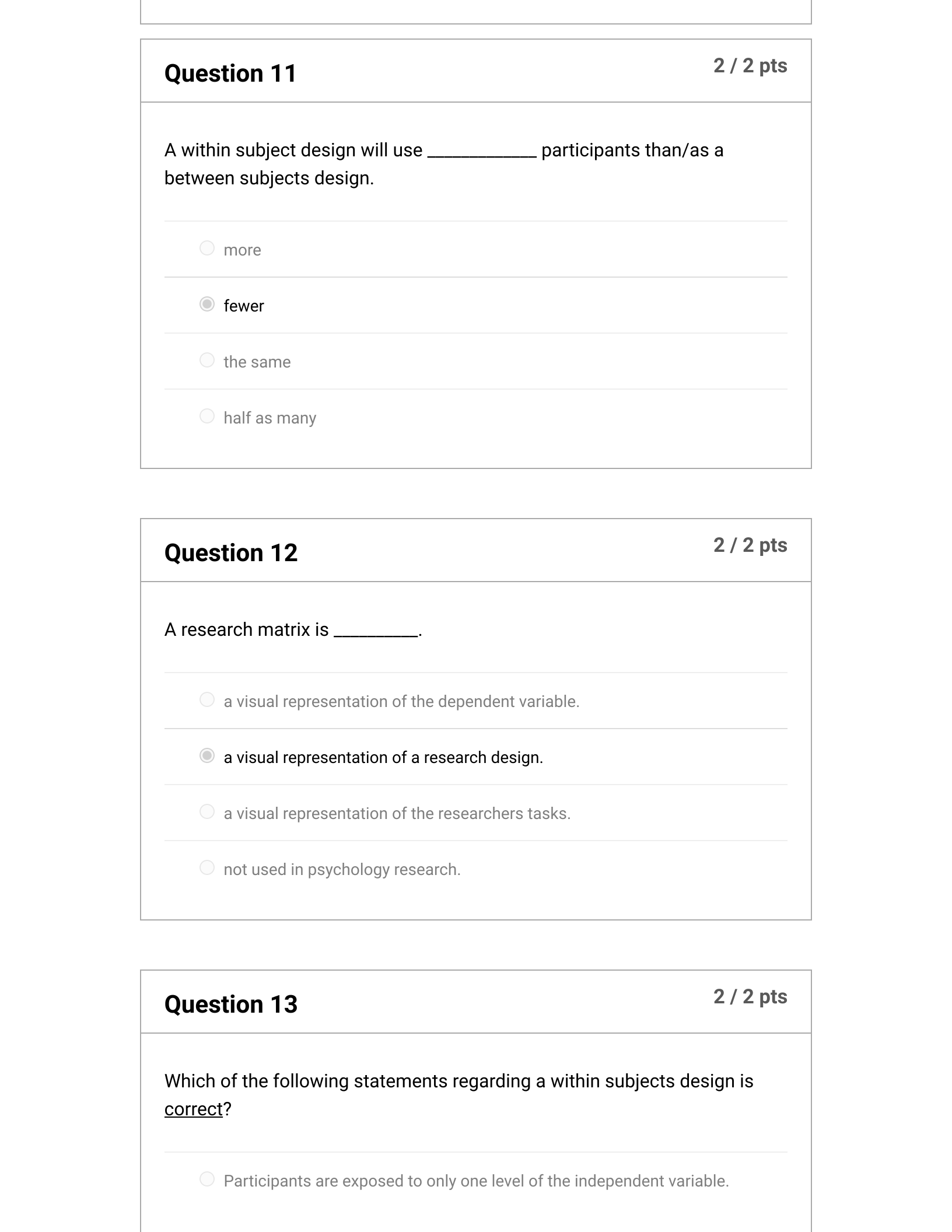
William the researcher conducted a study on monitor size and reaction time. The
research matrix is given below.
17 inch 19 inch 21 inch
25 participants 25 participants 25 participants
If you wanted to give every participant in the study a piece of paper with the contact
information of the researchers, how many pieces of paper will you need for this
between subjects design?
25
50
75
100
2 / 2 pts
Question 11
A within subject design will use _____________ participants than/as a
between subjects design.
more
fewer
the same
half as many
2 / 2 pts
Question 12
A research matrix is __________.
a visual representation of the dependent variable.
a visual representation of a research design.
a visual representation of the researchers tasks.
not used in psychology research.
2 / 2 pts
Question 13
Which of the following statements regarding a within subjects design is
correct?
Participants are exposed to only one level of the independent variable.
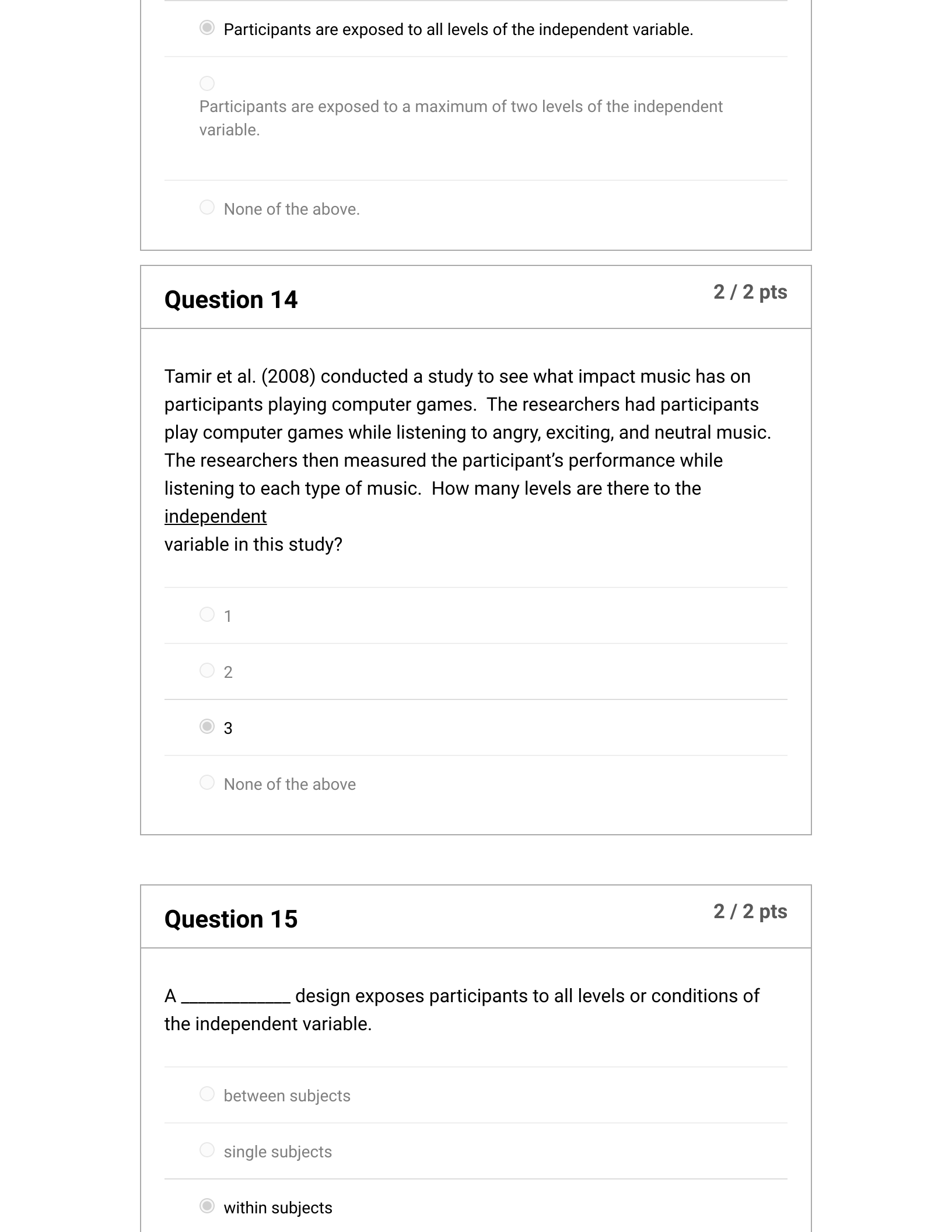
Participants are exposed to all levels of the independent variable.
Participants are exposed to a maximum of two levels of the independent
variable.
None of the above.
2 / 2 pts
Question 14
Tamir et al. (2008) conducted a study to see what impact music has on
participants playing computer games. The researchers had participants
play computer games while listening to angry, exciting, and neutral music.
The researchers then measured the participant’s performance while
listening to each type of music. How many levels are there to the
independent
variable in this study?
1
2
3
None of the above
2 / 2 pts
Question 15
A _____________ design exposes participants to all levels or conditions of
the independent variable.
between subjects
single subjects
within subjects
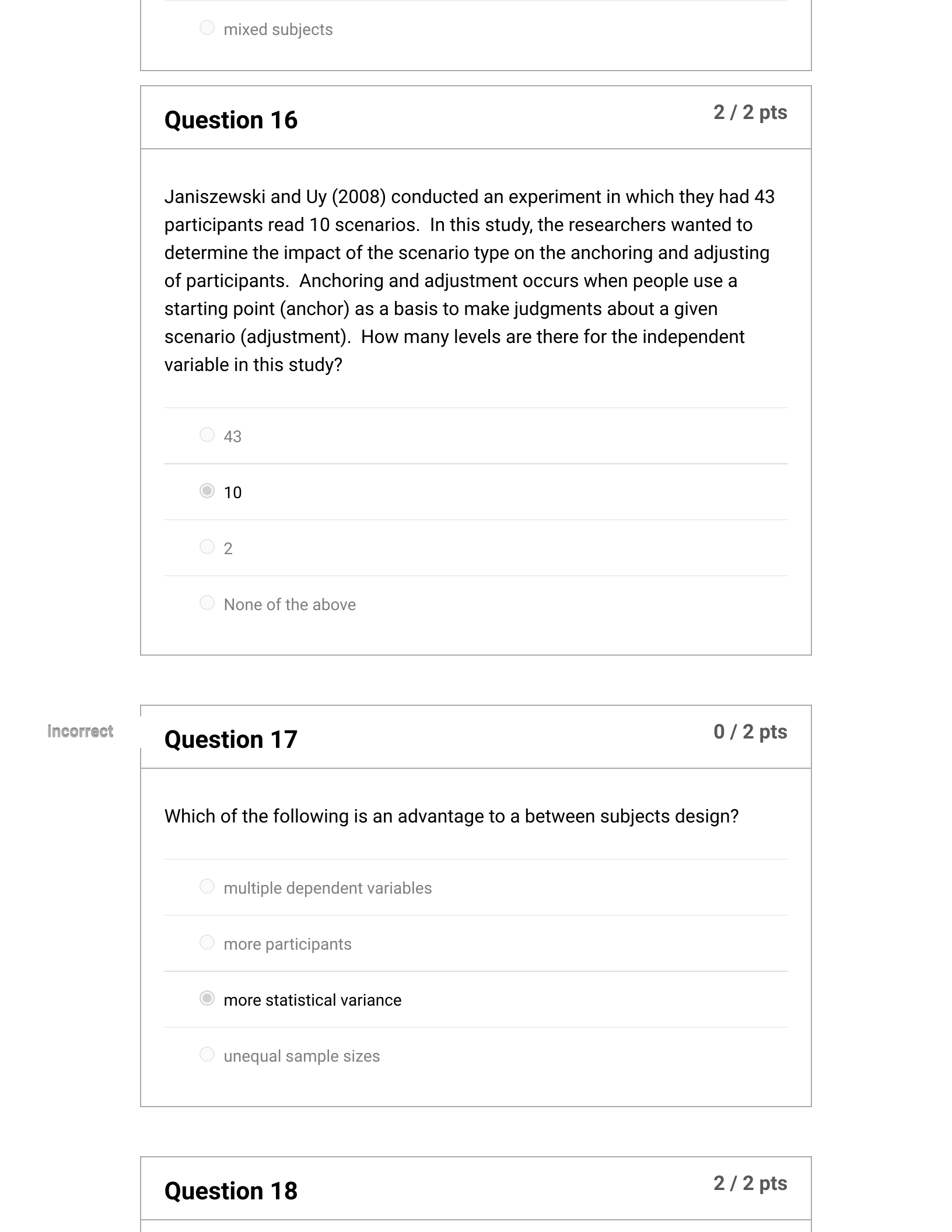
mixed subjects
2 / 2 pts
Question 16
Janiszewski and Uy (2008) conducted an experiment in which they had 43
participants read 10 scenarios. In this study, the researchers wanted to
determine the impact of the scenario type on the anchoring and adjusting
of participants. Anchoring and adjustment occurs when people use a
starting point (anchor) as a basis to make judgments about a given
scenario (adjustment). How many levels are there for the independent
variable in this study?
43
10
2
None of the above
0 / 2 pts
Question 17
Incorrect
Incorrect
Which of the following is an advantage to a between subjects design?
multiple dependent variables
more participants
more statistical variance
unequal sample sizes
2 / 2 pts
Question 18
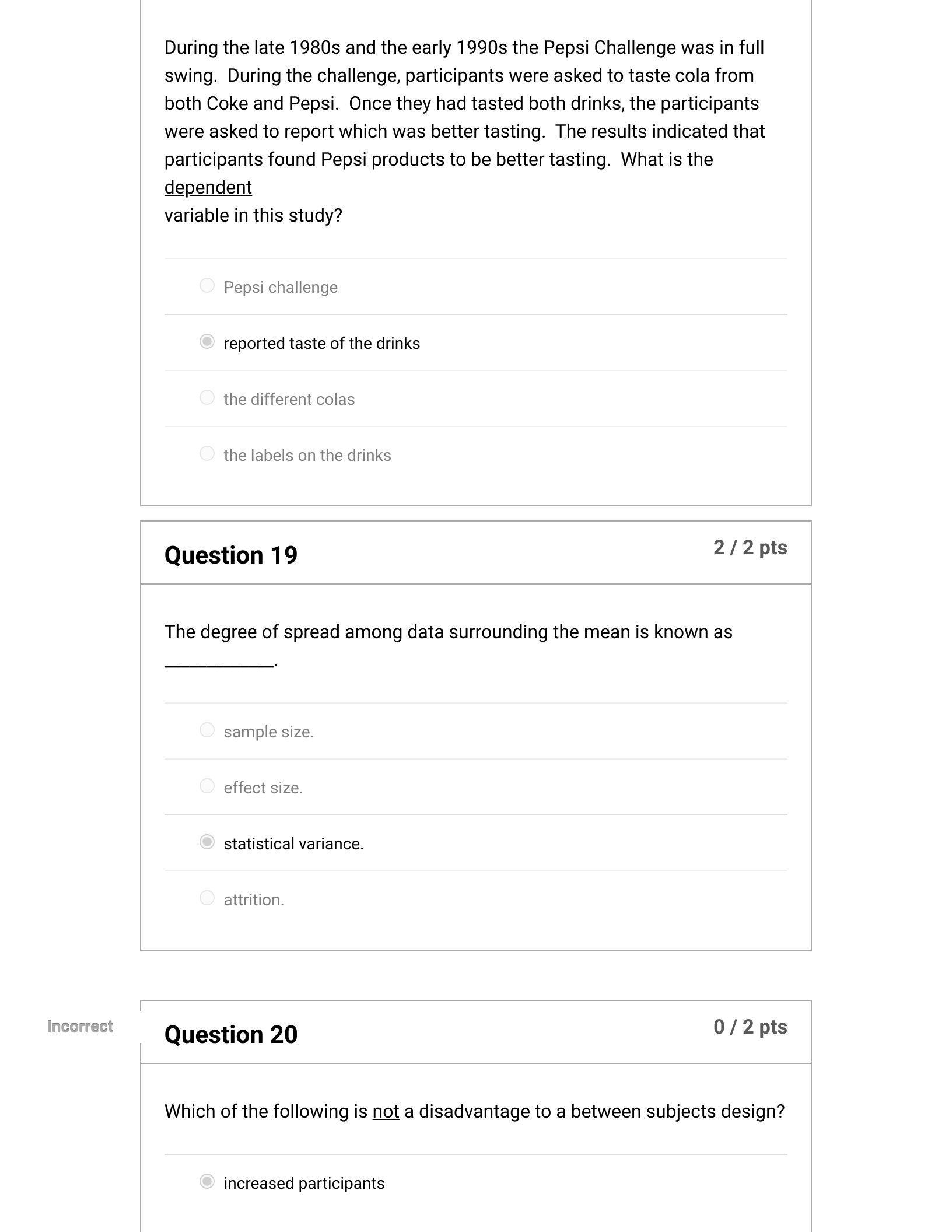
During the late 1980s and the early 1990s the Pepsi Challenge was in full
swing. During the challenge, participants were asked to taste cola from
both Coke and Pepsi. Once they had tasted both drinks, the participants
were asked to report which was better tasting. The results indicated that
participants found Pepsi products to be better tasting. What is the
dependent
variable in this study?
Pepsi challenge
reported taste of the drinks
the different colas
the labels on the drinks
2 / 2 pts
Question 19
The degree of spread among data surrounding the mean is known as
_____________.
sample size.
effect size.
statistical variance.
attrition.
0 / 2 pts
Question 20
Incorrect
Incorrect
Which of the following is not a disadvantage to a between subjects design?
increased participants
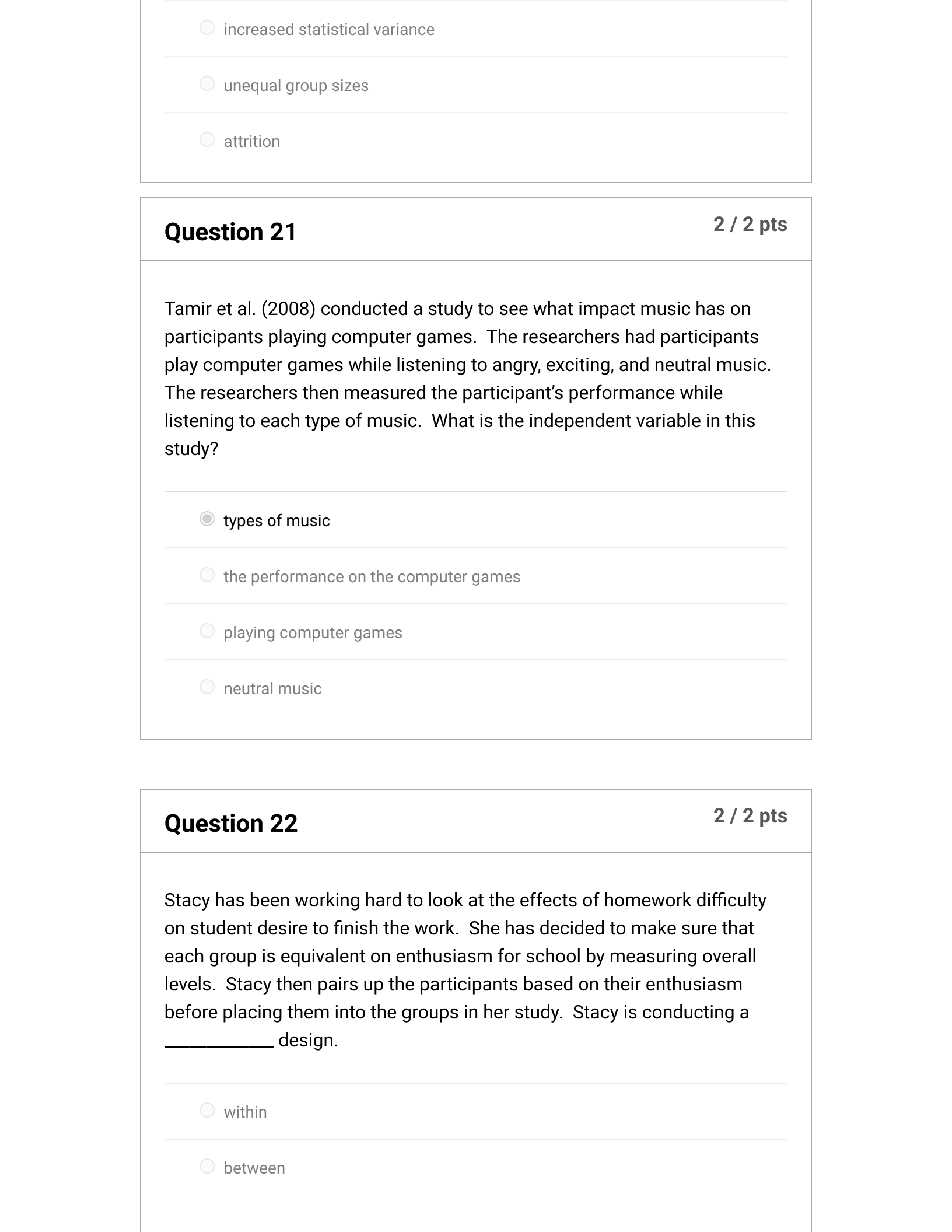
increased statistical variance
unequal group sizes
attrition
2 / 2 pts
Question 21
Tamir et al. (2008) conducted a study to see what impact music has on
participants playing computer games. The researchers had participants
play computer games while listening to angry, exciting, and neutral music.
The researchers then measured the participant’s performance while
listening to each type of music. What is the independent variable in this
study?
types of music
the performance on the computer games
playing computer games
neutral music
2 / 2 pts
Question 22
Stacy has been working hard to look at the effects of homework diculty
on student desire to nish the work. She has decided to make sure that
each group is equivalent on enthusiasm for school by measuring overall
levels. Stacy then pairs up the participants based on their enthusiasm
before placing them into the groups in her study. Stacy is conducting a
_____________ design.
within
between
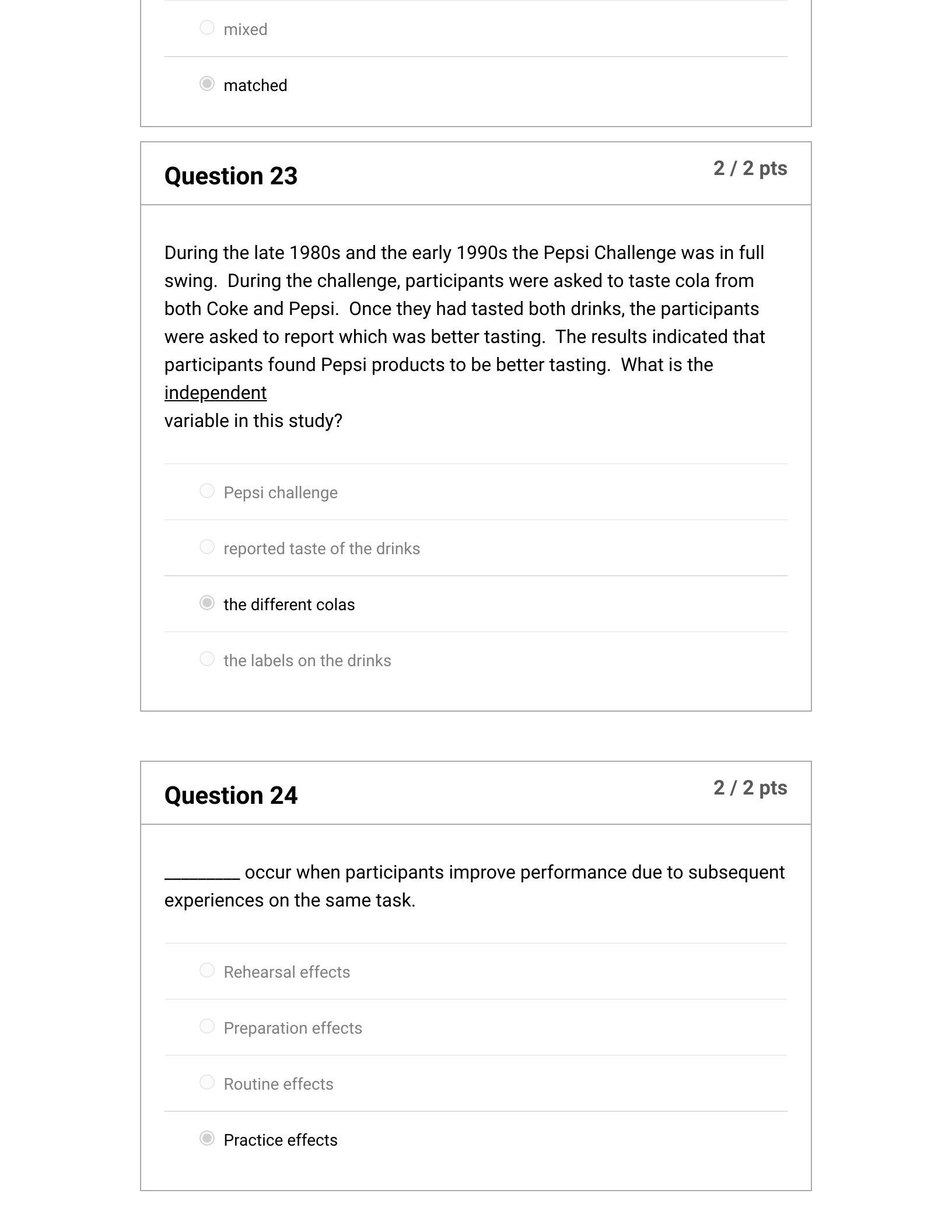
mixed
matched
2 / 2 pts
Question 23
During the late 1980s and the early 1990s the Pepsi Challenge was in full
swing. During the challenge, participants were asked to taste cola from
both Coke and Pepsi. Once they had tasted both drinks, the participants
were asked to report which was better tasting. The results indicated that
participants found Pepsi products to be better tasting. What is the
independent
variable in this study?
Pepsi challenge
reported taste of the drinks
the different colas
the labels on the drinks
2 / 2 pts
Question 24
_________ occur when participants improve performance due to subsequent
experiences on the same task.
Rehearsal effects
Preparation effects
Routine effects
Practice effects
2 / 2 pts
Question 25
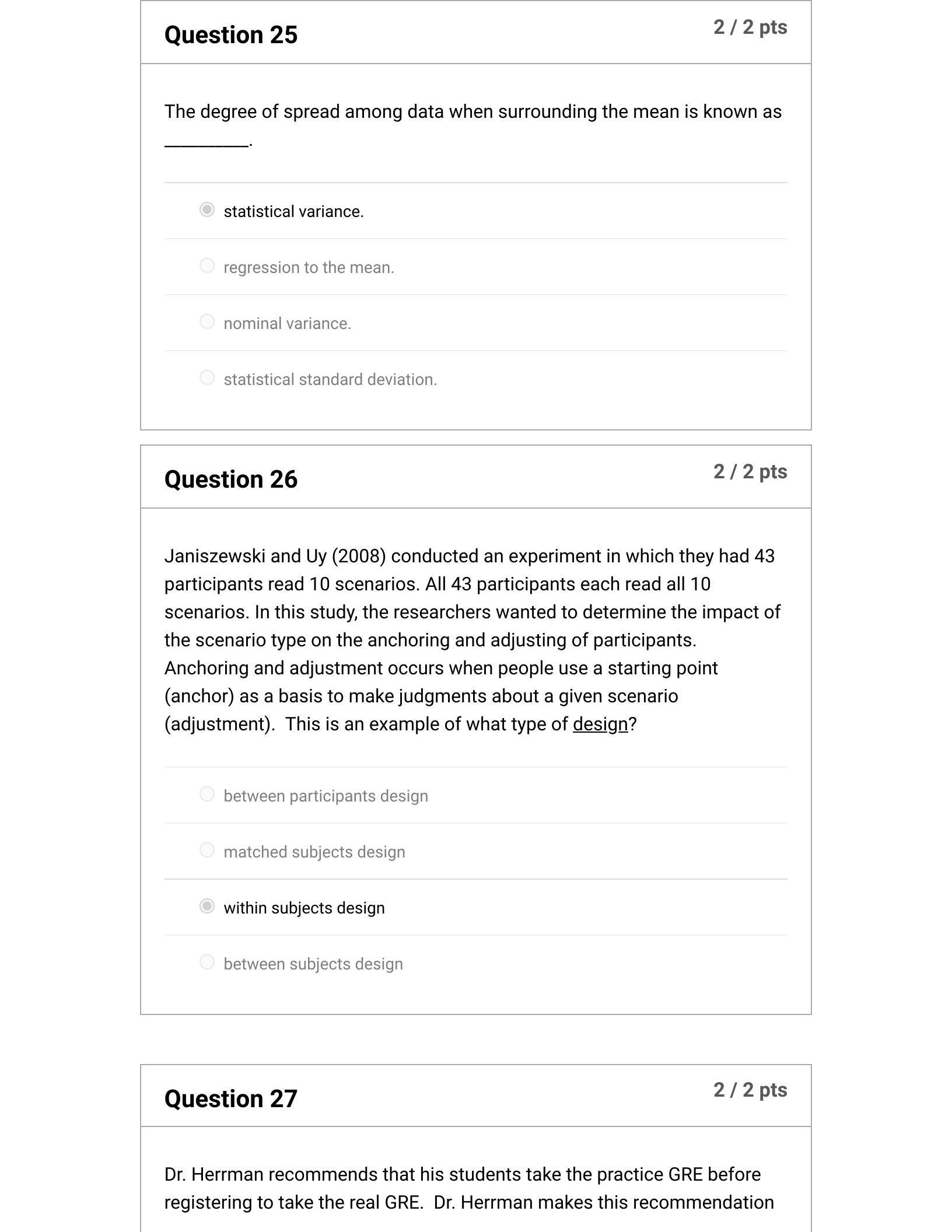
The degree of spread among data when surrounding the mean is known as
__________.
statistical variance.
regression to the mean.
nominal variance.
statistical standard deviation.
2 / 2 pts
Question 26
Janiszewski and Uy (2008) conducted an experiment in which they had 43
participants read 10 scenarios. All 43 participants each read all 10
scenarios.In this study, the researchers wanted to determine the impact of
the scenario type on the anchoring and adjusting of participants.
Anchoring and adjustment occurs when people use a starting point
(anchor) as a basis to make judgments about a given scenario
(adjustment). This is an example of what type of design?
between participants design
matched subjects design
within subjects design
between subjects design
2 / 2 pts
Question 27
Dr. Herrman recommends that his students take the practice GRE before
registering to take the real GRE. Dr. Herrman makes this recommendation
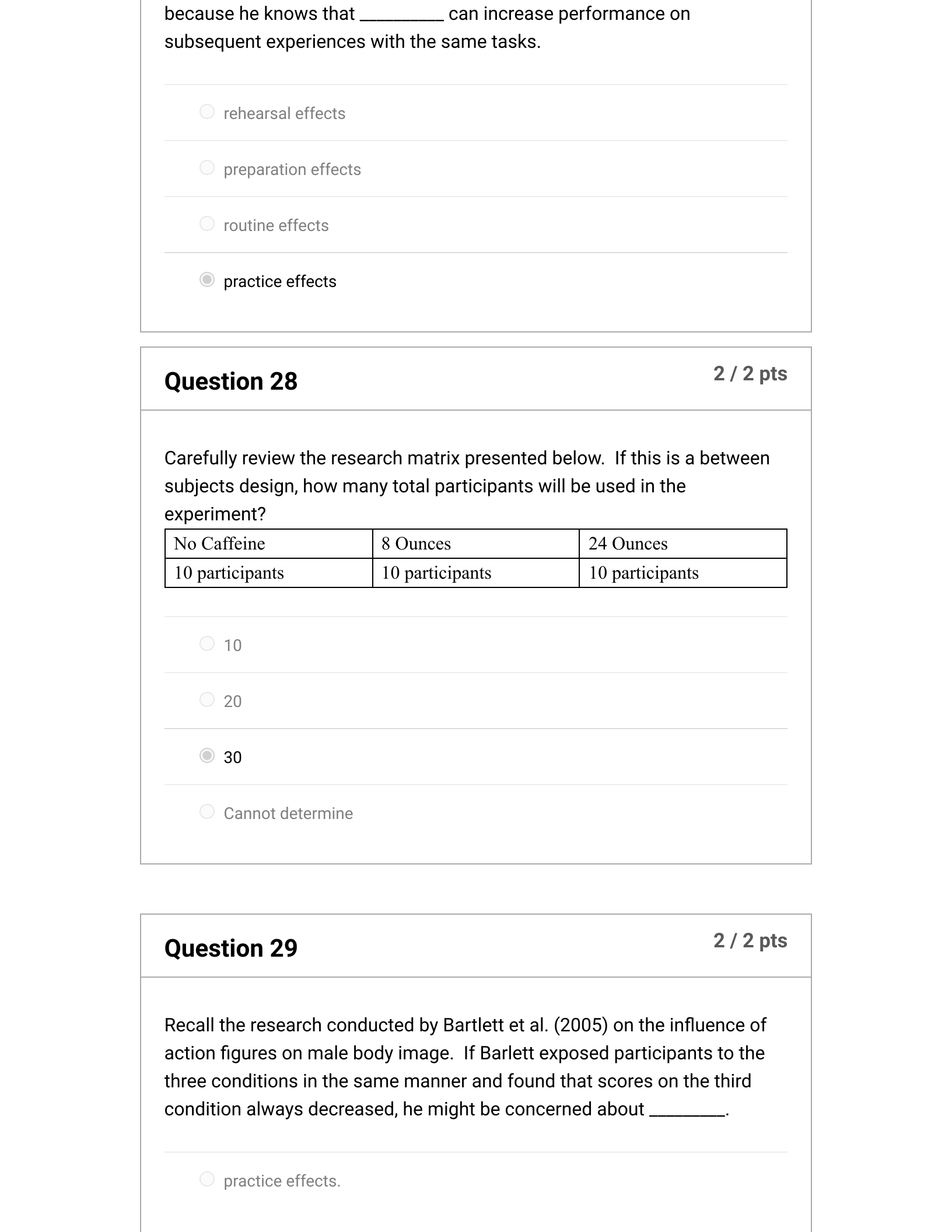
because he knows that __________ can increase performance on
subsequent experiences with the same tasks.
rehearsal effects
preparation effects
routine effects
practice effects
2 / 2 pts
Question 28
Carefully review the research matrix presented below. If this is a between
subjects design, how many total participants will be used in the
experiment?
No Caffeine 8 Ounces 24 Ounces
10 participants 10 participants 10 participants
10
20
30
Cannot determine
2 / 2 pts
Question 29
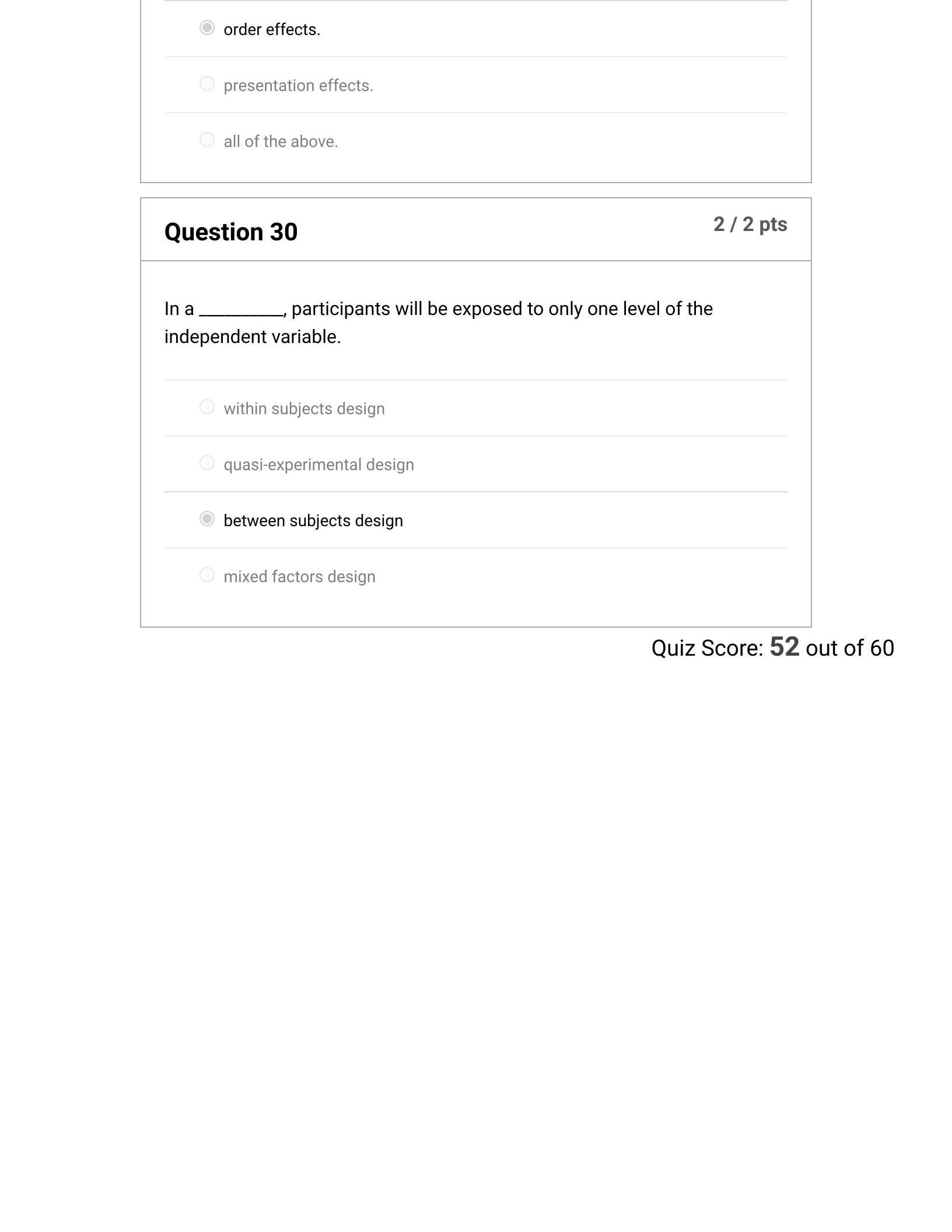
Recall the research conducted by Bartlett et al. (2005) on the inuence of
action gures on male body image. If Barlett exposed participants to the
three conditions in the same manner and found that scores on the third
condition always decreased, he might be concerned about _________.
practice effects.
order effects.
presentation effects.
all of the above.
2 / 2 pts
Question 30
In a __________, participants will be exposed to only one level of the
independent variable.
within subjects design
quasi-experimental design
between subjects design
mixed factors design
Quiz Score: 52 out of 60

